
A growing number of households across Ireland are making a conscious shift towards more sustainable living, and the living room is very much part of that conversation. The sofa you sit on every day, and the way you protect it, can either add to the cycle of disposable furniture or become a meaningful part of a lower-impact lifestyle. In 2026, an eco friendly sofa cover isn’t just a practical accessory—it’s a deliberate choice to reduce waste, avoid harmful chemicals, and extend the lifespan of your largest piece of upholstery. This guide explores what truly makes a couch cover eco-friendly, the sustainable fabrics and certifications that matter, and why choosing a greener slipcover is one of the simplest, most impactful upgrades you can give your Irish home this year.
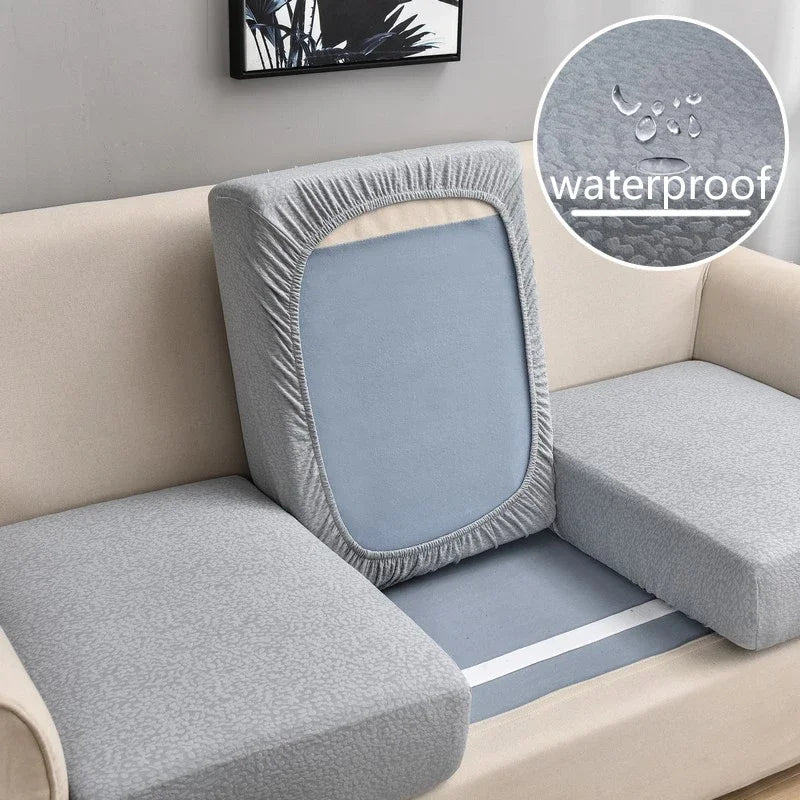
Rethinking Furniture Protection: An Earth-Friendly Perspective
The most sustainable sofa is the one you already own. Throwing away a structurally sound piece of furniture because its fabric has faded, stained, or simply fallen out of favour sends a bulky, non-biodegradable item to landfill, often long before its frame has reached the end of its useful life. A well-made couch covers solution tackles this problem at its root. By protecting the original upholstery from wear, spills, and sun damage, you can significantly postpone replacement. At the same time, the cover itself can be made from materials with a lighter environmental footprint—recycled fibres, natural textiles grown without excessive water or pesticides, and fabrics dyed with low-impact colourants. In 2026, the eco-friendly Sofa Covers market has matured to the point where you no longer have to sacrifice performance, comfort, or aesthetics to make a responsible choice.
What Makes a Sofa Cover Truly Eco-Friendly?
It is tempting to rely on green-sounding marketing, but a genuinely eco-conscious sofa cover is defined by several concrete factors. The first is material origin. Fabrics woven from recycled post-consumer plastic bottles—commonly labelled as rPET—divert waste from oceans and landfill, and their production requires significantly less energy and water than virgin polyester. The second is natural and renewable fibres, particularly organic cotton, hemp, and lyocell (Tencel), which are cultivated or manufactured with minimal chemical input and are biodegradable at the end of their long service life.
The third factor is certification. An eco-friendly couch cover should be backed by independent verification. OEKO-TEX Standard 100 guarantees that every component of the fabric has been tested for harmful substances and is safe for human health. GOTS (Global Organic Textile Standard) certification covers the entire supply chain, from the organic farming of raw fibres to environmentally and socially responsible manufacturing. Bluesign approval indicates that the textile was produced with minimal impact on water, air, and workers. These labels offer assurance that the cover you bring into your Ireland home aligns with your values.
The fourth factor is durability and end-of-life. A truly eco-friendly slipcover is built to last, resisting pilling, fading, and thinning for years, not seasons. The longer it performs, the smaller its annual footprint. Some forward-thinking manufacturers are now designing covers with take-back or recycling programmes, ensuring that when the cover finally does reach the end of its usable life, it can be processed into new textiles rather than entering the waste stream.
2026's Standout Eco Fabrics for Irish Sofas
This year's leading sustainable Sofa Covers draw on a palette of innovative, responsible materials.
Recycled Polyester (rPET) Stretch
The workhorse of eco-friendly couch covers in 2026, rPET is created by cleaning, shredding, and re-spinning used plastic bottles into fine, strong fibres. The resulting fabric offers the same four-way stretch, pill-resistance, and colour-fastness as virgin polyester, but with a carbon footprint that can be up to 50% lower. It also retains the practical benefits Irish households rely on—machine-washability, quick drying, and a smooth, tailored fit. A high-stretch rPET sofa cover looks and performs every bit as well as its conventional counterpart.
Organic Cotton
For those who prefer the touch of a natural fibre, organic cotton covers are a superb choice. Grown without synthetic pesticides or fertilisers and processed without chlorine bleach, organic cotton is breathable, hypoallergenic, and becomes softer with every wash. The best 2026 designs blend organic cotton with a small percentage of natural rubber or elastane to provide the stretch needed for a snug, wrinkle-free fit without relying on petroleum-based synthetics.
Lyocell (Tencel)
Derived from sustainably harvested eucalyptus wood pulp, lyocell is produced in a closed-loop process that recycles water and solvents. The fabric is exceptionally soft, breathable, and naturally resistant to bacterial growth—qualities that make it ideal for Ireland's humid climate. A lyocell-rich slipcover feels cool and smooth against the skin, drapes beautifully, and is fully biodegradable.
Hemp Blends
Hemp is one of the most environmentally benign crops on the planet, requiring little water, no pesticides, and actively regenerating the soil it grows in. When blended with organic cotton or recycled polyester, hemp creates a textured, hard-wearing couch cover with a distinctive natural character. It softens with age and use, taking on a relaxed, lived-in look that suits Irish farmhouse and cottage aesthetics perfectly.
Packaging, Shipping, and the Bigger Picture
Eco-friendly thinking extends beyond the fabric itself. The leading sustainable sofa cover brands serving Ireland in 2026 have minimised their packaging, replacing plastic bags with recycled cardboard, paper bands, or compostable wraps. Some ship carbon-neutrally, offsetting the emissions generated during transport. When you order a couch cover online, look for information about packaging materials and shipping practices on the product page. Supporting businesses that take these extra steps sends a clear message that Irish consumers value sustainability across the entire purchasing journey.
Practical Sustainability: Care That Reduces Impact
How you care for your sofa cover also affects its environmental footprint. Washing in cold water (30°C) saves significant energy compared to hot cycles, and modern detergents are formulated to clean effectively at these lower temperatures. Air-drying, rather than running a tumble dryer, eliminates a major source of household energy consumption and prolongs the life of elastic fibres and waterproof membranes. The fresh Irish breeze does the job for free, and the cover comes off the line smelling genuinely clean.
Extending the life of your couch covers through good care is the single most powerful way to reduce their environmental impact. A cover that lasts five years instead of two more than halves its annual footprint. Spot-clean minor spills, rotate cushion covers if possible, and consider a second set to alternate between washing and use, which reduces wear on any single cover.
An Eco-Friendly Choice for Every Irish Home
The shift towards sustainable Sofa Covers is not about perfection; it's about making a better choice when the opportunity arises. Every recycled bottle woven into an rPET sofa cover , every organic cotton field that replaces a pesticide-dependent one, every sofa kept out of landfill for an extra decade—these incremental changes add up. For Irish households, this is a chance to align the comfort and beauty of the living room with the values of stewardship and care that run deep in our culture.
Browse the growing selection of eco-friendly couch covers available to order in Ireland. Look for certifications, check the fibre content, and choose a cover that will serve your home and the environment for years to come. A more sustainable living room is not a distant goal; it begins with the simple act of wrapping your sofa in a slipcover that was made with thoughtfulness and purpose.